Sniffing Glue: Dangers, Effects, and How to Get Help
Disclaimer: This article is for educational purposes only and does not replace expert medical or mental health advice. Inhalant misuse requires a comprehensive physical and psychiatric evaluation by a qualified clinician. So, always refer to a board-certified physician or a licensed mental health specialist for diagnosis and treatment.
“Sniffing glue” sounds like something very innocent. However, this seemingly innocent act hides something very severe. For many middle and high school children, inhaling household products like glue/household chemicals, sometimes also known as “huffing,” is a cheap and easily accessible way to get high, just like whippet use. In this article, we will break down what inhalant misuse really looks like, why it is more common than you might think, and the effects it can have on a young person’s life.
What Is Sniffing Glue?
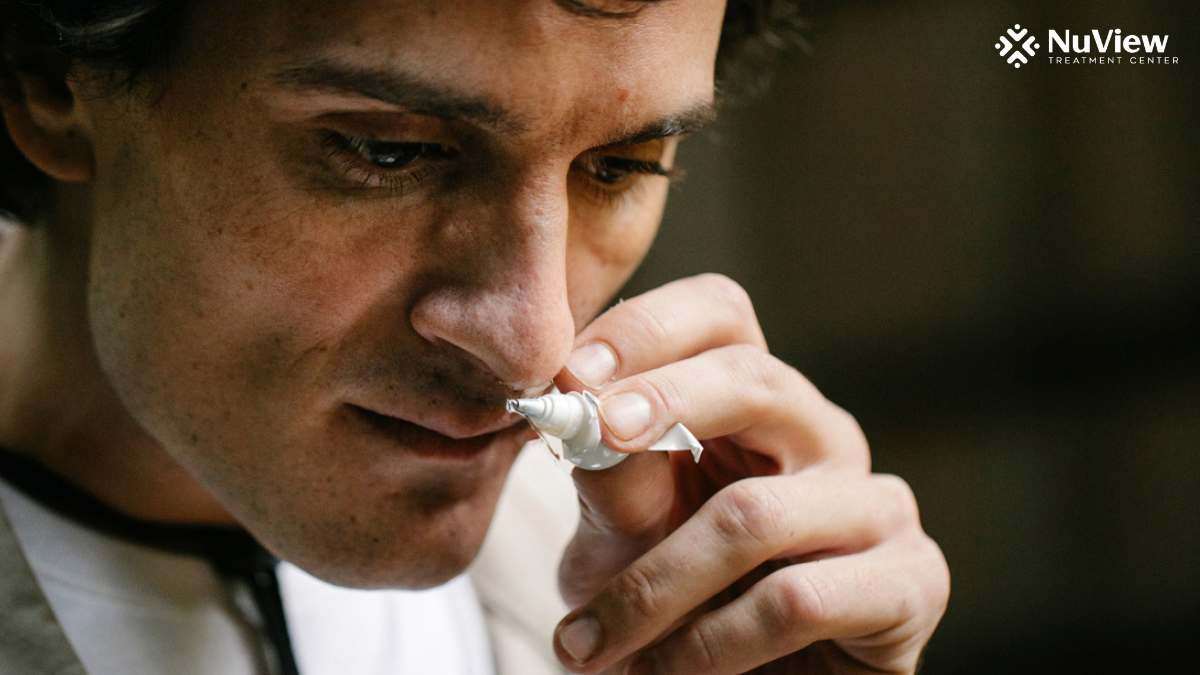
Sniffing glue is a type of inhalant misuse characterized by inhaling the solvents found in adhesives. It gives rise to similar effects as alcohol intoxication, such as euphoria and exhilaration. However, it can also lead to severe unwanted effects like disorientation and coma.
Some common ways this happens are by sniffing, spraying, inhaling (transferring the inhalant into a bag/balloon and inhaling), and huffing (soaking a rag in the inhalant and holding it to the nose or stuffing it into the mouth).
Dr. Ryan Peterson, a highly experienced physician at the NuView Treatment Center, says, “A 2019 population-based study published in the National Library of Medicine (NLM) revealed that glue sniffing was prevalent among homeless children between the ages of 9-12 years, and a majority of them were male.”
Get Started With Nuview Treatment Center
Our dedicated professional staff is here to guide you or your loved one on the journey to lasting recovery, offering support every step of the way.

How Does Sniffing Glue Impact the Brain and Body?
Sniffing glue adversely impacts the brain and body in the short and long term. The short-term effects are:
- Headaches
- Abdominal pain
- Vomiting
- Impaired coordination
- Tingling sensation in the extremities
- Fainting.
The long-term effects are:
- Mood swings
- Apathy
- Difficulties in interpersonal relationships
- Injuries as a consequence of impaired judgment
- Higher risk of choking on vomit
- Liver and kidney damage
- Lung damage and acute respiratory failure
- Heart arrhythmias
- Seizures
- Brain damage.
In rare cases, inhalant misuse can lead to a condition known as “sudden sniffing death syndrome,” where rapid changes in heart rate triggered by solvents cause cardiac arrest - even in otherwise healthy persons.
If someone has difficulty breathing, collapses, has seizures, or becomes unconscious after inhaling chemicals, call emergency services immediately.
What Are the Signs and Symptoms of Glue Sniffing?
The signs and symptoms of glue sniffing are:
- Chemical stench on the breath and clothes
- Stains on clothes, of points, and oils
- Presence of a glue sniffer’s rash - which refers to a rash around the mouth.
- Dishevelled look
- Restlessness
- Truancy
- Poor academic performance
- Slurred speech.
Dr. Peterson says, “When you are informed about these signs and symptoms of glue sniffing, as a parent, educator, or well-wisher, you can take the first step of having a conversation with the child or teenager. It also serves as an indication that they need substance use treatment.”
What Are the Other Types of Inhalants?
While sniffing glue is one of the common ways to get high, the other common household items that are used by younger teens to get high and can be equally dangerous are:
- Shoe polish
- Markers
- Nail polish remover
- Paint thinner
- Gasoline
- Aerosol sprays
- Cleaners.
Get Started With Nuview Treatment Center
How Is Sniffing Glue Treated?
Glue sniffing or other types of inhalant misuse are treated with psychotherapy and peer support. However, some conditions, like intoxication and other emergencies, require medical care.
The commonly used therapeutic modalities used are:
- Cognitive Behavioral Therapy: CBT identifies and reshapes maladaptive thinking patterns underlying glue sniffing or inhalant use. Children are also equipped with coping skills to handle cravings, manage stress, and other challenges in life that can lead to glue sniffing or other kinds of substance misuse.
- Family Therapy: Involving the family in treatment is beneficial, as it helps in educating families regarding glue sniffing and other kinds of inhalant misuse. Family therapy, specifically, helps change any unhealthy dynamics and communication patterns and helps build stronger relationships.
- Ongoing Care: Telemedicine and informal peer groups like 12-Step recovery programs can provide safe settings to exchange experiences and find encouragement for recovery and lasting sobriety.
Doctors also conduct neurological and physical examinations to understand whether glue sniffing has impacted the brain and body, to treat them safely, and prevent any lasting damage.
Dr. Peterson says, “In 2003, the National Institute on Drug Abuse (NIDA) said that an estimated 20% middle and high school students have experimented with inhaled substances. You can take steps to lower or mitigate this risk entirely by fostering a safe environment where the child feels comfortable opening up to you. In doing so, you can also educate them about the dangers of sniffing glue and other kinds of inhalant misuse.”
Reach Out to NuView Today!
If you are concerned about your child or teen, reach out to NuView today - because the right level of care, at the right time, can make all the difference.
Please do not hesitate to contact us at (323) 307-7997 to connect with our experts today!
Frequently Asked Questions About Sniffing Glue
Why is sniffing glue dangerous?
Sniffing glue is dangerous as it contains chemicals that adversely impact the brain and body, leading to severe, lasting damage.
Can huffing kill you?
Yes. Inhalant misuse can lead to life-threatening complications, including cardiac arrhythmias, respiratory failure, and in rare cases, sudden death - even after a single episode.
How do I know if my child is sniffing glue?
Look for some telling signs, like glue sniffer’s rash around the mouth, stains, and chemical stench coming from breath and clothes.
How is inhalant misuse treated?
Inhalant misuse is treated with therapy. Neurological and physical examinations are done to treat the respective concerns, if any.
Is treatment for inhalant misuse effective?
Yes, treatment options for inhalant misuse are highly effective, with significantly meaningful recovery rates. Early intervention also prevents any lasting damage to the brain or body.
- What Is Sniffing Glue?
- How Does Sniffing Glue Impact the Brain and Body?
- What Are the Signs and Symptoms of Glue Sniffing?
- What Are the Other Types of Inhalants?
- How Is Sniffing Glue Treated?
- Reach Out to NuView Today!
- Frequently Asked Questions About Sniffing Glue
- What Is Sniffing Glue?
- How Does Sniffing Glue Impact the Brain and Body?
- What Are the Signs and Symptoms of Glue Sniffing?
- What Are the Other Types of Inhalants?
- How Is Sniffing Glue Treated?
- Reach Out to NuView Today!
- Frequently Asked Questions About Sniffing Glue
Get Help Today!





Everyone is Welcome Here and We All Have Your Back
Your healing journey deserves a personalized approach. At NuView, we integrate expertise in behavioral therapy, mental health, and substance use treatment to create a customized recovery plan tailored to your unique needs.
Connect with our Admissions Specialists today.
Written By
Dr. Ryan Peterson, MD